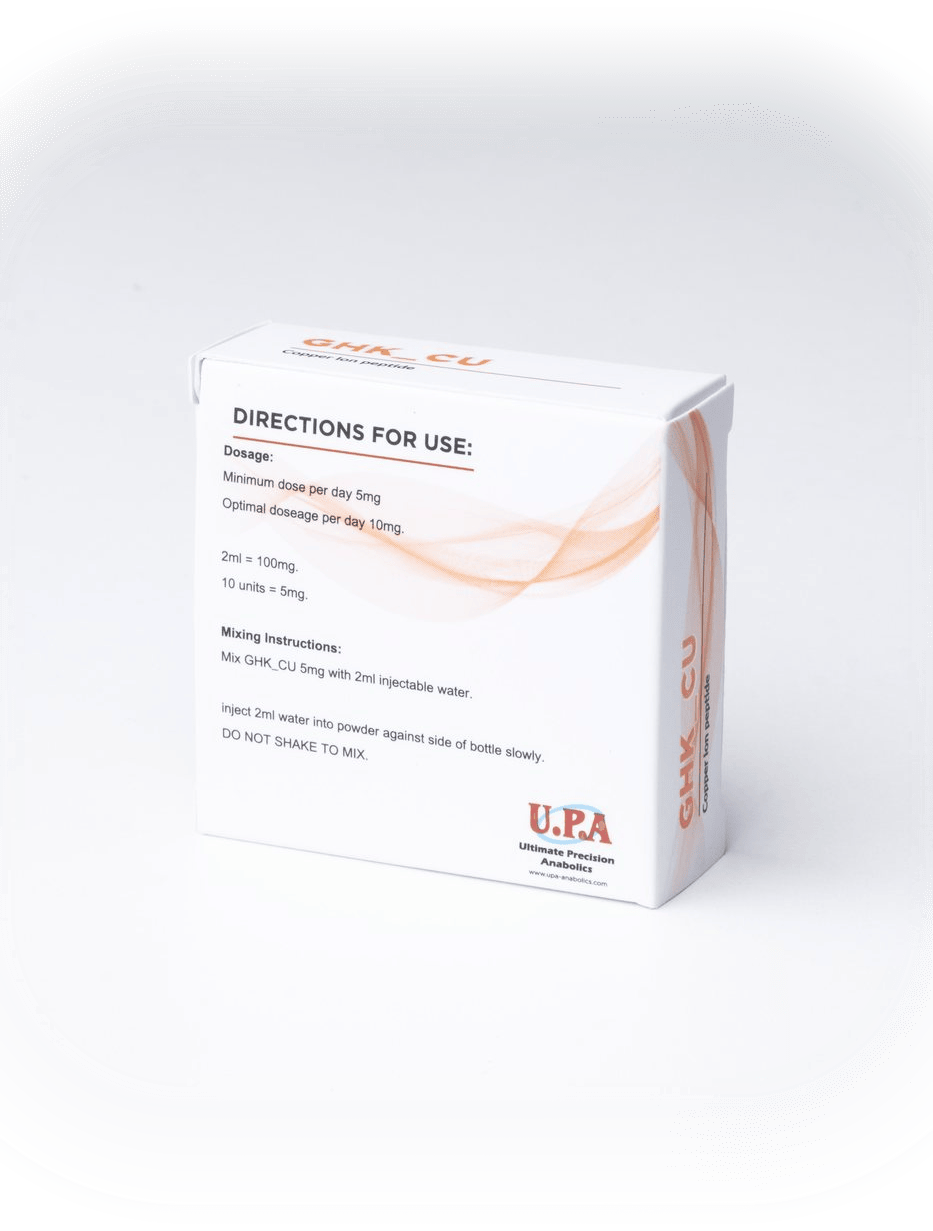
GHK-Cu is a naturally occurring copper-binding tripeptide found in human plasma, saliva, and urine, where levels decline substantially with age. It's one of the most-studied peptides in skin biology, with published research going back to the 1970s, and is a recognised active ingredient in dermatology and cosmetic formulations, not just an experimental compound.
It works by activating genes involved in tissue remodelling, stimulating collagen and elastin production, and acting as a potent antioxidant and anti-inflammatory agent at the site of application or injection.
| Route | Subcutaneous injection (pre-filled pen) or topical, depending on the formulation |
|---|---|
| Frequency | Practitioner-set, often daily for topical use or several times weekly for injectable use |
| Duration | 4–8 week courses are common for skin- or wound-focused protocols |
| Regulatory status | Widely used as a cosmetic ingredient; injectable use is a research application, not an approved medical indication |
GHK-Cu is supplied for laboratory and research purposes. Any human use should be guided and supervised by a qualified practitioner.
Very well tolerated in the dermatological literature — mild skin irritation is the most common effect with topical use. Injectable use carries the usual injection-site reactions. Copper peptides should be used cautiously by anyone with a copper metabolism disorder such as Wilson's disease.
Anyone with a known copper metabolism disorder should avoid GHK-Cu. This sheet is for informational purposes only and does not constitute medical advice — consult a qualified practitioner before use.