Sexual Health
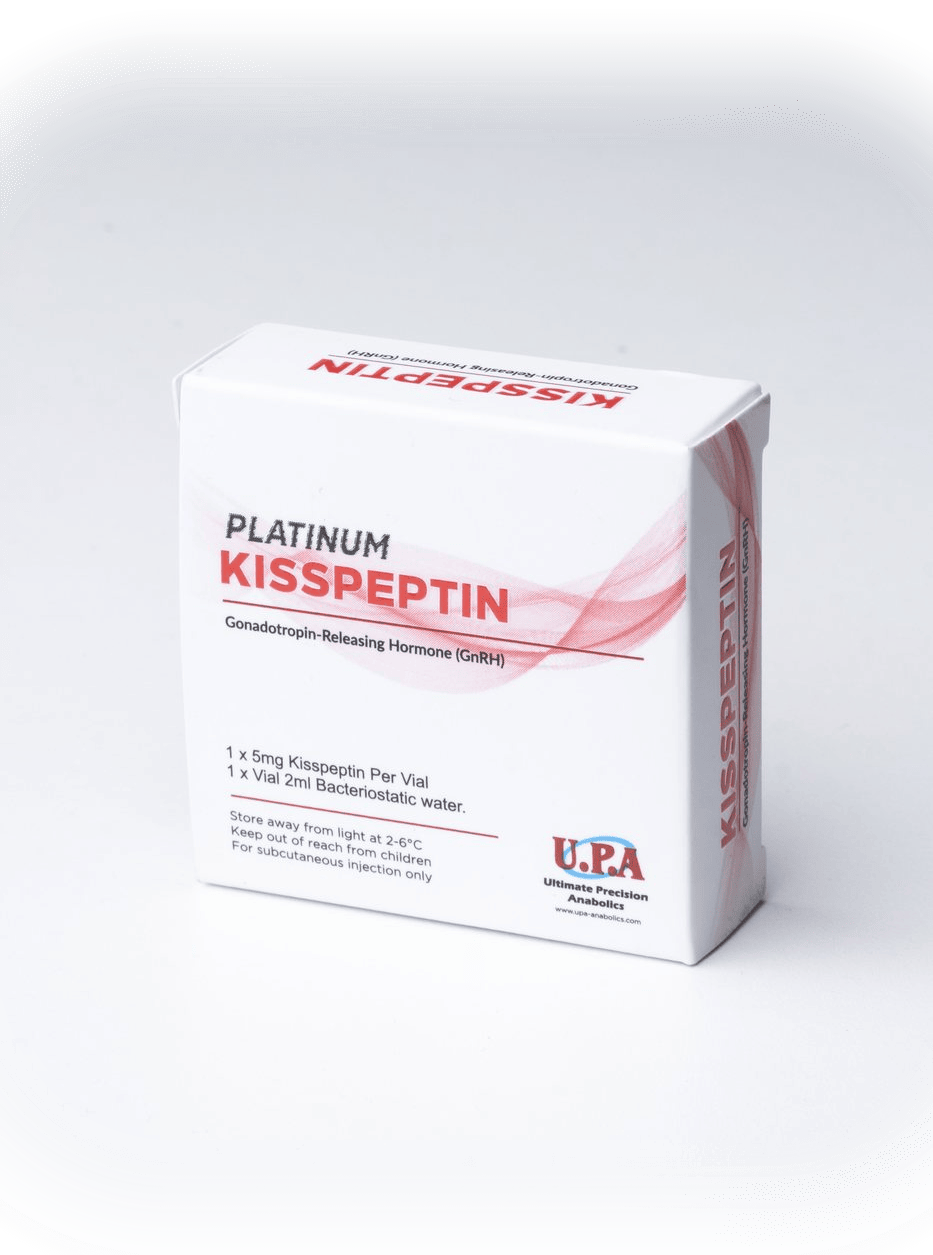
Kisspeptin
GnRH Regulator — Reproductive Hormone & Libido Research
| Supplier | Form | Pack | Price | |
|---|---|---|---|---|
| UPA | Vial | — | R350 | Order → |
Kisspeptin is a naturally occurring peptide encoded by the KISS1 gene that sits right at the top of the reproductive hormone cascade — it's the key signal that triggers the hypothalamus to release GnRH (gonadotropin-releasing hormone), which in turn drives the entire downstream LH/FSH/testosterone or estrogen chain. It was discovered relatively recently (the 1990s–2000s) and is now considered the master regulator of puberty onset and reproductive hormone function.
Because it works right at the top of the hormonal cascade rather than at the gonads directly, kisspeptin is being researched both as a fertility treatment — particularly for hypothalamic causes of infertility — and for its distinct, separate effect on sexual arousal and desire in early human trials.
| Route | Subcutaneous injection |
|---|---|
| Frequency | Practitioner-set, often pulsatile to mimic natural GnRH release patterns |
| Duration | Protocol-specific |
| Human trial status | An active area of academic research (particularly in fertility and reproductive endocrinology); not yet an approved therapy |
Kisspeptin is supplied for laboratory and research purposes. Any human use should be guided and supervised by a qualified practitioner.
Early trial data reports it as generally well tolerated, with injection site reactions being the most common effect. As a compound sitting at the top of the hormonal cascade, downstream hormone monitoring is advisable with extended use.
Kisspeptin research is still early-stage, particularly in humans — most published work comes from reproductive endocrinology trials rather than established clinical protocols. Use should be guided by a qualified practitioner. This sheet is for informational purposes only and does not constitute medical advice.